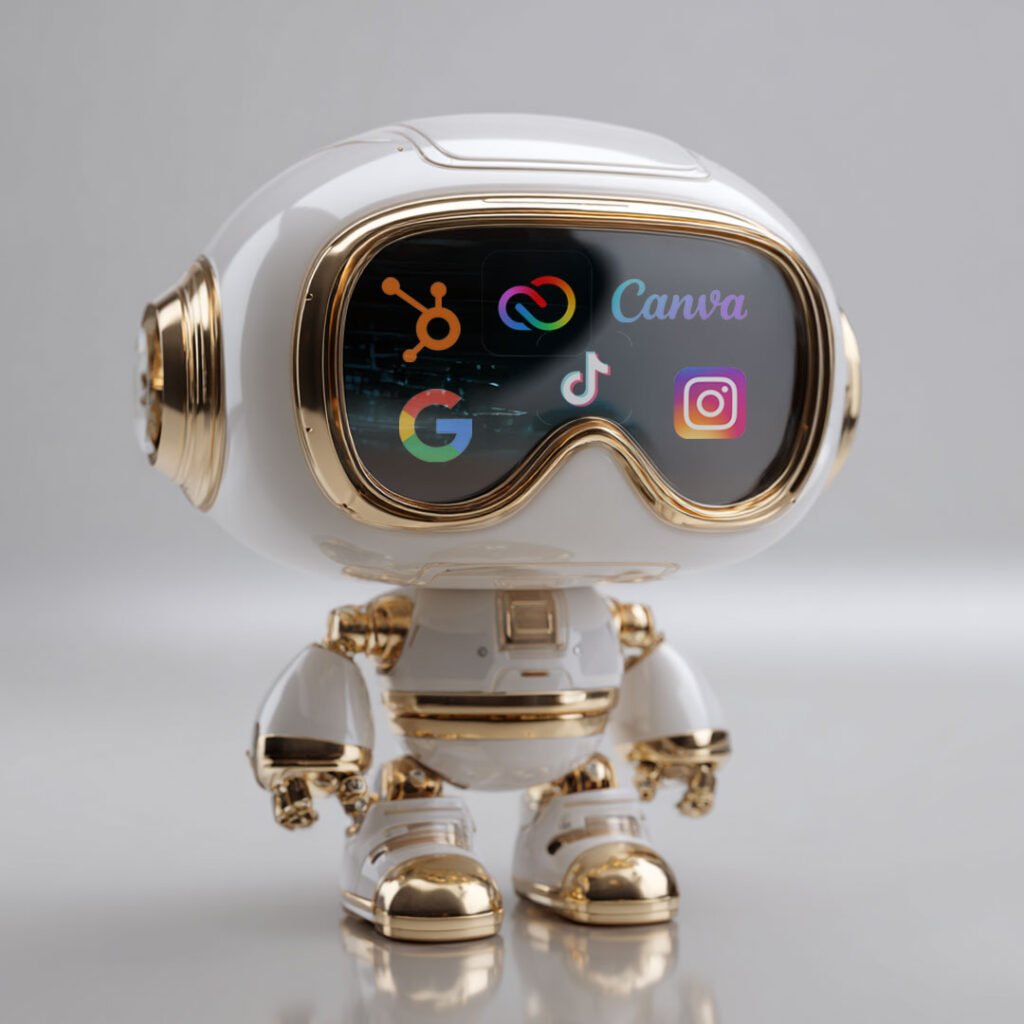
Marketing has never been more complex. Gone are the days of one-size-fits-all messaging and linear consumer journeys. In today’s fragmented landscape, traditional strategies often fall short as consumer behaviors, values, and digital habits shift rapidly. Welcome to the era of postmodern marketing, where skepticism, personalization, and co-creation define brand engagement.
But navigating this landscape isn’t just about customer-facing tactics—it starts internally. A strong, engaged workforce plays a crucial role in executing modern marketing strategies, and fostering employee involvement is just as vital as understanding consumer trends. Let’s explore how businesses can thrive in this fragmented reality by adapting both externally to shifting consumer expectations and internally to empower their teams.
1. The Death of the Monolithic Brand Narrative
In postmodern marketing, singular, controlled brand narratives no longer hold the same power they once did. Today’s consumers don’t want to be told what a brand stands for; they want to shape the brand’s identity themselves. User-generated content, influencer marketing, and community-driven storytelling have replaced traditional advertising as the dominant forces of brand perception.
How to Adapt:
- Shift from brand monologues to interactive dialogues with customers.
- Encourage employees to act as brand ambassadors, sharing their experiences authentically.
- Embrace decentralized brand storytelling by integrating user-generated content into your campaigns.
2. Hyper-Personalization and Fragmented Audiences
Postmodern consumers don’t fit neatly into broad demographic categories. Instead, they expect hyper-personalized experiences that align with their values, identities, and behaviors. Segmentation is no longer enough—brands must now leverage real-time data, AI, and behavioral insights to tailor messaging down to the individual level.
How to Adapt:
- Invest in AI-driven marketing tools to deliver personalized content at scale.
- Foster internal alignment by ensuring employees understand and support customer-centric strategies.
- Develop modular brand messaging that can be customized across different audience segments.
3. Employee Engagement as a Marketing Strategy
A fragmented marketing landscape doesn’t just affect external strategies—it also impacts how companies function internally. Employee dissatisfaction and high turnover can create inconsistencies in brand messaging, weaken customer service, and ultimately undermine marketing efforts. A well-aligned, engaged workforce is one of the strongest marketing assets a brand can have.
How to Adapt:
- Audit internal structures to assess employee satisfaction, communication gaps, and turnover.
- Foster a marketing culture where employees see themselves as co-creators of the brand.
- Encourage transparency and employee-driven storytelling to enhance authenticity.
4. Postmodern Consumers Are Skeptical—Authenticity Wins
Today’s audiences are more skeptical of marketing than ever before. Overexposure to advertising, misinformation, and polished brand narratives has made consumers demand radical transparency. They don’t just want products; they want authenticity, values, and accountability.
How to Adapt:
- Shift from aspirational branding to relatable, human-centric storytelling.
- Own up to mistakes and demonstrate ethical business practices.
- Train employees to communicate brand values authentically in their interactions.
5. Fluidity Over Consistency: The Need for Agile Marketing
Consistency used to be the cornerstone of branding. Today, however, brands need to be adaptive, experimental, and willing to pivot based on real-time data and cultural shifts. Fluidity doesn’t mean a lack of identity—it means being responsive and co-creating your brand identity with your audience.
How to Adapt:
- Implement rapid feedback loops to adjust campaigns in real time.
- Encourage cross-functional collaboration between marketing, product development, and CX teams.
- Provide employees with the autonomy to experiment and innovate within the brand framework.
The Future of Marketing Is Both External and Internal
In the postmodern marketing era, success depends on how well brands navigate fragmentation externally (by personalizing and decentralizing brand narratives) and internally (by fostering an engaged, empowered workforce). Businesses that embrace flexibility, authenticity, and collaboration—both with consumers and within their teams—will be the ones that thrive.
How is your brand adapting to the postmodern marketing landscape? More importantly, how is your internal culture supporting these shifts? The companies that answer both questions with intention will be the ones leading the future of marketing.