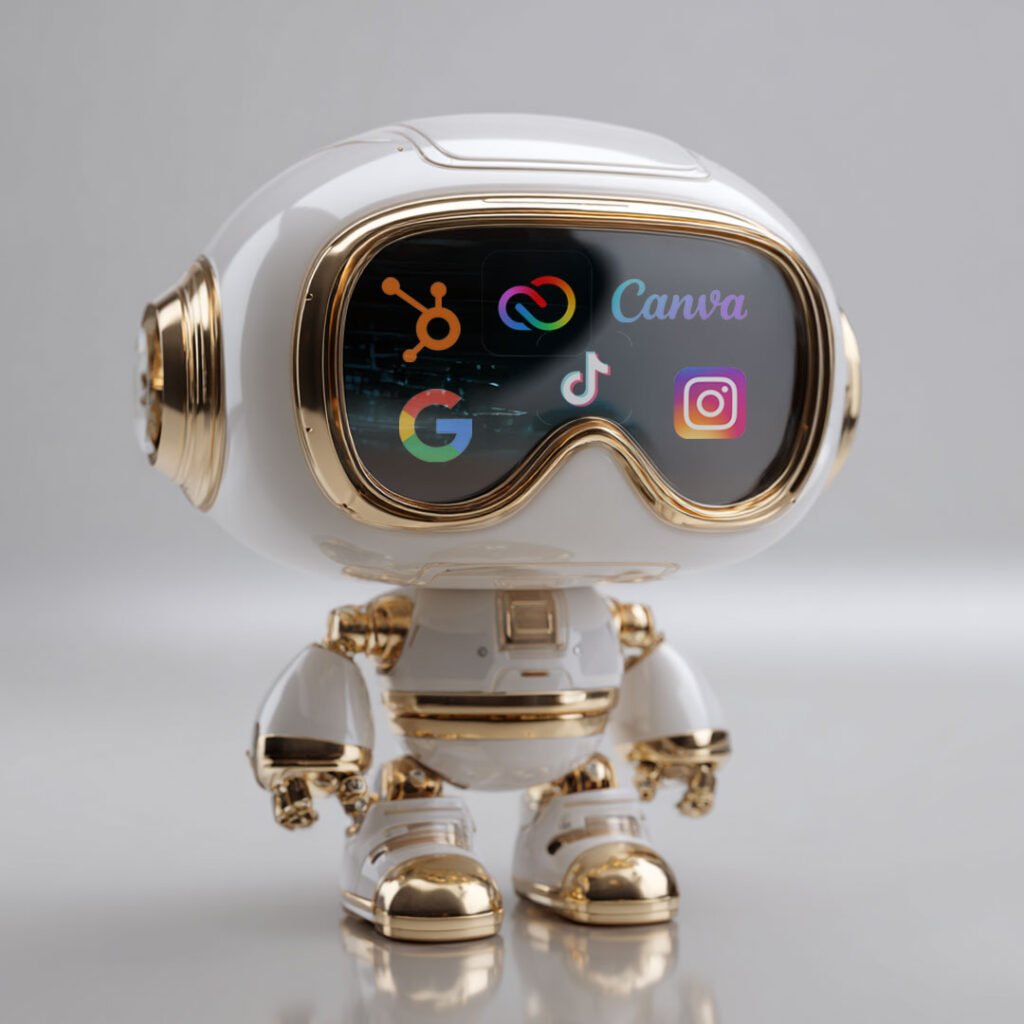
The marketing landscape is evolving faster than ever, and artificial intelligence (AI) is at the forefront of this transformation. AI-powered data analytics is revolutionizing how brands understand their audiences, predict customer behavior, and optimize campaigns in real-time. If you’re still relying on traditional marketing strategies without incorporating AI-driven insights, you’re leaving valuable opportunities on the table.
The Rise of AI in Marketing
Gone are the days of guesswork-driven marketing. AI has ushered in an era where data-driven decision-making is not just an advantage but a necessity. From customer segmentation to automated personalization, AI allows marketers to refine their strategies with unprecedented accuracy.
With AI, brands can:
- Process vast amounts of customer data in real-time.
- Identify patterns and trends that were previously undetectable.
- Automate decision-making for smarter, more efficient marketing efforts.
AI-Powered Customer Segmentation
Traditional customer segmentation often relies on demographic and behavioral data, but AI takes it a step further. Using machine learning algorithms, marketers can identify micro-segments based on intricate patterns in customer behavior, preferences, and even sentiment analysis.
How it works:
- AI analyzes website interactions, purchase history, and social media engagement.
- It identifies distinct customer segments that exhibit similar behaviors.
- It continuously refines these segments as new data comes in.
By leveraging AI-powered segmentation, brands can tailor their messaging to hyper-specific audiences, increasing relevance and engagement.
Predictive Modeling for Customer Behavior
Predictive analytics enables marketers to forecast customer actions before they happen. AI-driven predictive modeling can help brands anticipate:
- Which customers are likely to convert.
- When a customer might churn.
- The best times and channels to engage with different audience segments.
Real-World Example:
E-commerce giants like Amazon use AI-powered predictive modeling to recommend products based on browsing behavior and purchase history. This not only improves the customer experience but also drives higher conversion rates and revenue.
Balancing Automation with Human Creativity
While AI is a powerful tool, it should enhance—not replace—human creativity in marketing. The best AI-driven campaigns strike a balance between automation and human intuition. AI can provide insights, but marketers must craft compelling stories and emotionally resonant messaging that connect with audiences.
Best Practices for AI-Powered Marketing:
- Use AI for data-driven insights but keep storytelling at the core of your campaigns.
- Continuously test and optimize AI-generated content to ensure it aligns with brand voice.
- Train teams on AI tools to leverage automation effectively without losing the human touch.
AI-Driven Tools for Smarter Marketing
If you’re looking to integrate AI into your marketing strategy, here are some tools to consider:
- Customer Segmentation & Personalization: Salesforce Einstein, Adobe Sensei
- Predictive Analytics: Google Analytics AI, HubSpot AI
- Content Optimization: Clearscope, MarketMuse
- Chatbots & Customer Interaction: Drift, Intercom
Final Thoughts
AI-driven data analytics is not just the future of marketing—it’s the present. Brands that embrace AI will have a competitive edge, delivering hyper-personalized experiences, smarter campaigns, and measurable results. However, the key to success lies in using AI as an enabler rather than a replacement for human creativity and strategic thinking.
Are you ready to leverage AI for smarter marketing campaigns? The time to start is now.