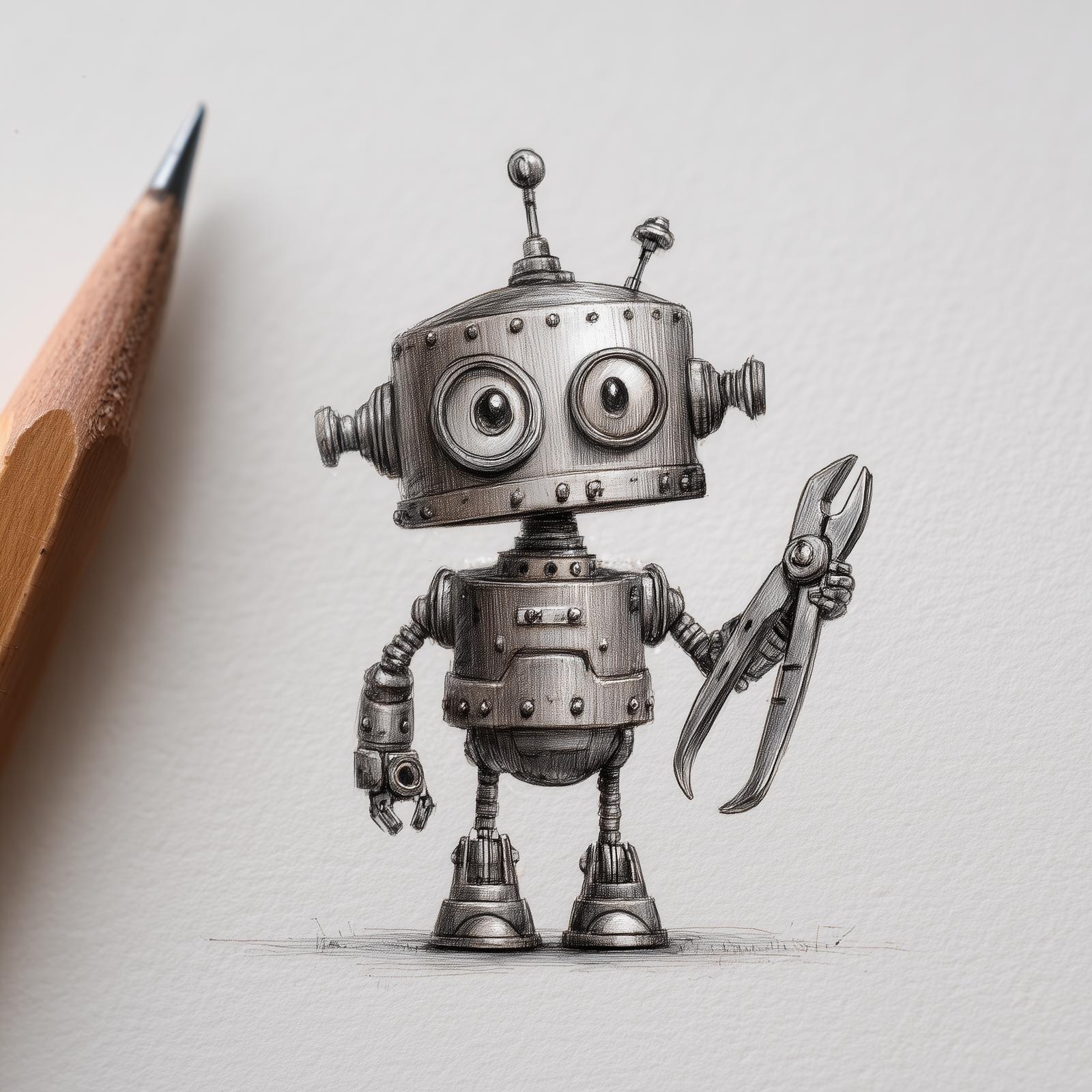
When Your Audience Knows It’s AI: How to Keep Your Brand Trustworthy
AI can make your brand look polished and completely forgettable. This article explores how to use AI in your creative process without losing texture, trust, or a human voice.

AI can make your brand look polished and completely forgettable. This article explores how to use AI in your creative process without losing texture, trust, or a human voice.

This post reframes audience research through the DISC model—Red, Yellow, Green, and Blue—so you can spot behavioral patterns in your data and design experiences that match how different personalities make decisions.

Most brand work is either outward-facing (“What do customers think of us?”) or inward-facing (“How do we attract talent?”). The problem is that your buyers and your employees experience the same company. When the story

Accessibility is often treated as a late-stage checklist item, but it is one of the fastest ways to improve overall UX, expand your market, and build trust. This post reframes accessibility as a strategic advantage and walks through concrete, realistic ways to bake it into design, development, and content from day one.

Over-editing feels like care, but it often slows learning and sands off the ideas people remember. This post shows a simple three-pass workflow, concrete examples, and fast metrics you can track in 48 hours to ship with more clarity and better results.
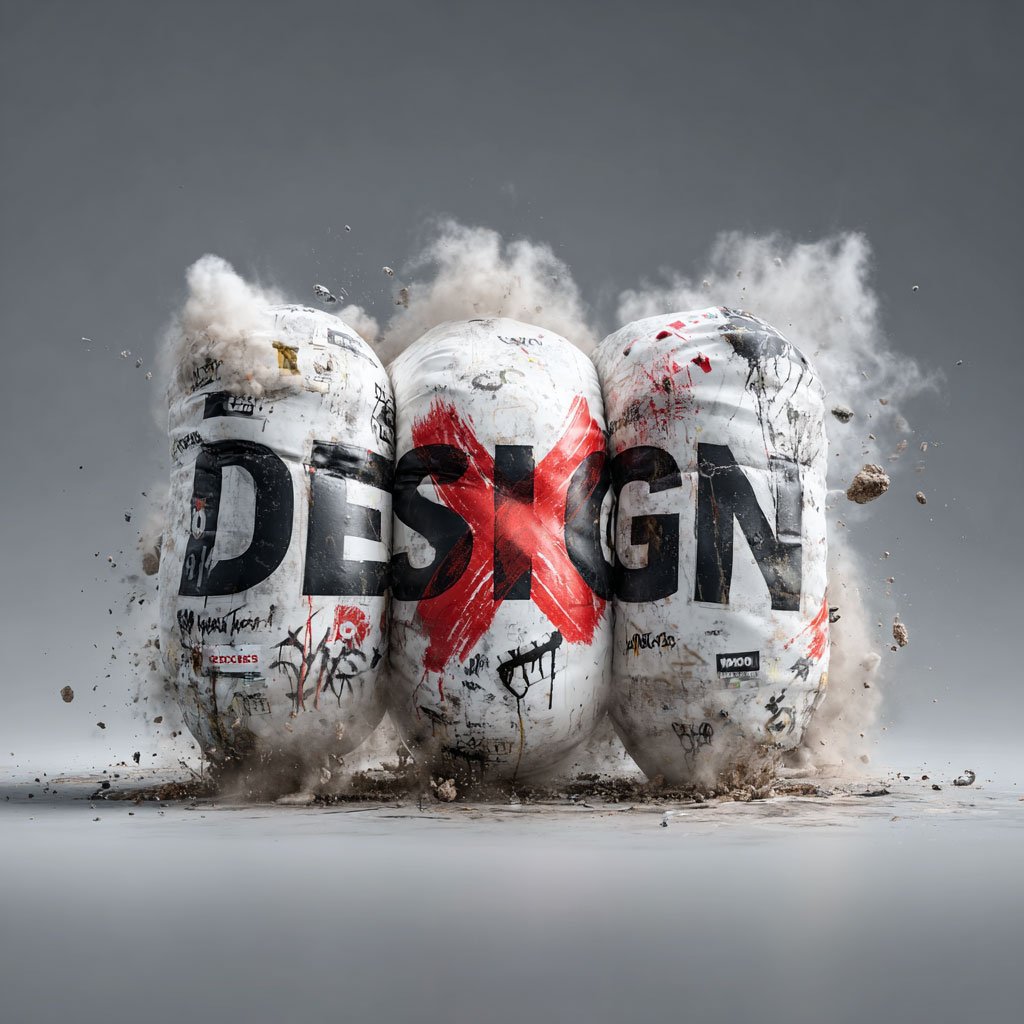
Anti-design is everywhere right now—gritty fonts, clashing colors, broken grids. But the best versions aren’t messy by accident. They’re intentionally designed to feel raw, real, and human. Here’s how to embrace the movement without throwing your principles out the window.

Design trends come and go, but user experience is evolving in a deeper way. In 2025, good UX is about more than looking sleek. It’s about reducing cognitive load, building trust, and guiding action—intuitively.

You don’t need a broken logo to break your brand. Off-brand design chips away at trust in ways most teams never notice—until conversion rates, engagement, or credibility quietly stall. Here’s what’s really happening beneath the surface.

Users don’t read—they skim. This article breaks down how to earn trust with structure, clarity, and visual cues that deliver meaning at a glance.

From simplicity to symmetry, there’s a science behind why certain logos become iconic. Learn what makes a brand mark stick—and how to create one with staying power.